Best Free Serif Fonts for Web and Print
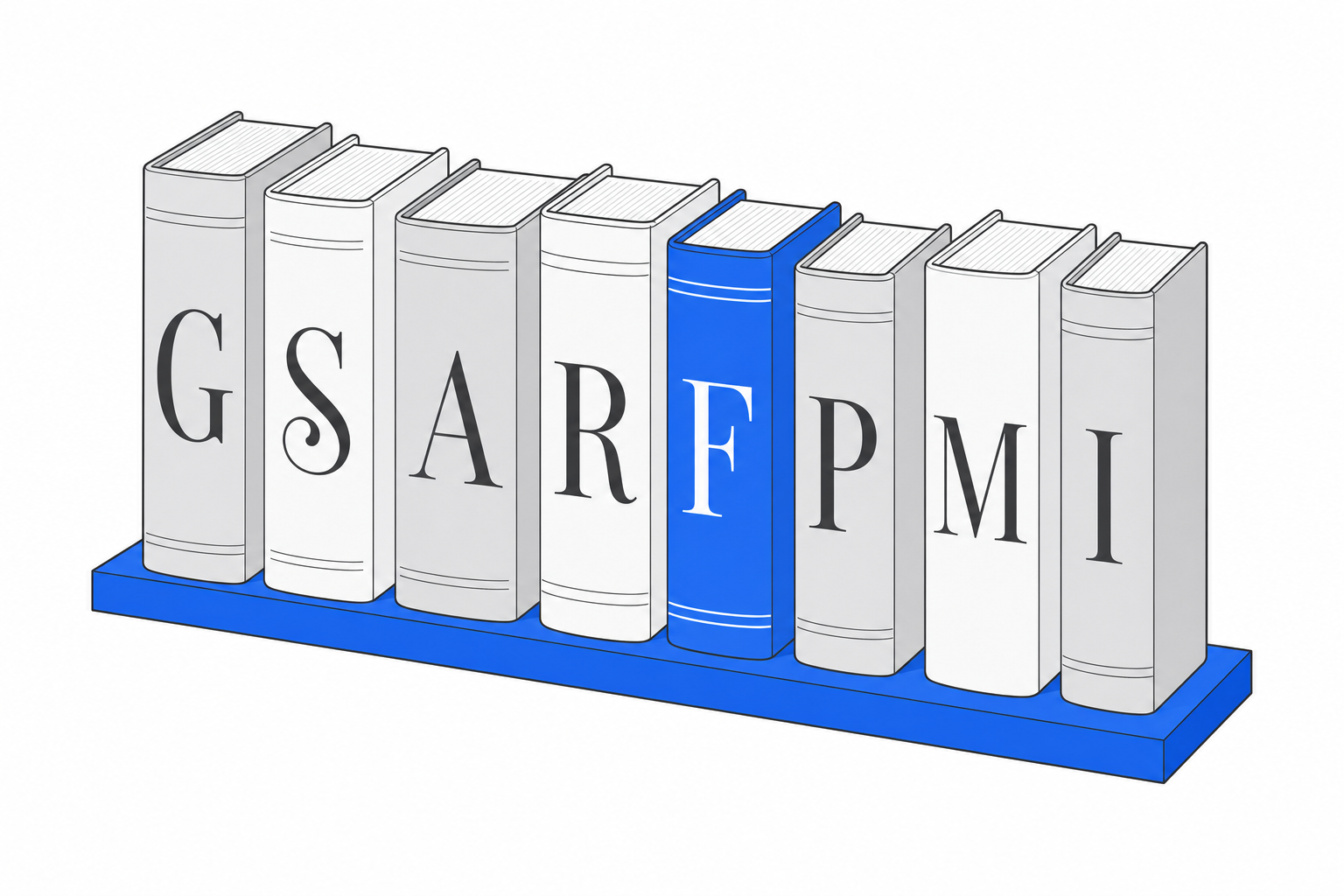
Serif fonts carry weight, literally in their strokes and figuratively in what they signal. They say "read me carefully." The problem is that the free tier of the font ecosystem has a reputation for mediocrity. That reputation is wrong. The fonts below are genuinely good, and each one earns its spot for a specific reason.
The Short List
Before the detail: here is the full rundown at a glance.
- Merriweather, best for long-form reading on screen
- Playfair Display, best for editorial headings
- EB Garamond, best for book-style body text
- Cormorant Garamond, best for luxury branding
- Fraunces, best for personality-forward headlines
- Source Serif 4, best all-rounder for UI and prose
- Vollkorn, best for dense text blocks
- Lora, best for blog body text
- Libre Baskerville, best Baskerville revival for web
- IBM Plex Serif, best for technical documentation
For Reading, Not Just Looking
Merriweather was designed from the ground up for screens. Its large x-height and open counters keep letterforms distinct at 16px, which is exactly where most body copy lives. If you are building a publication, a long-form essay site, or anything where someone might read 2,000 words in one sitting, this is the safest starting point in the free serif world.
Lora is softer. It sits somewhere between calligraphic and geometric, and that tension gives it warmth without sacrificing legibility. It reads well at smaller sizes and pairs naturally with humanist sans-serifs. Personal blogs and portfolio sites lean on it heavily for good reason.
Vollkorn handles density better than either of those. If you have tables, footnotes, or multi-column layouts where the text is tighter than comfortable, Vollkorn holds together where others start to feel cramped. It is an underrated choice.
For Headings That Actually Command Attention
Playfair Display is the workhorse of free editorial typography. High contrast between thick and thin strokes, a tall cap height, and genuine elegance at large sizes. It is everywhere because it works. If you are building a magazine layout or a content site with strong headlines, the familiarity is a feature, not a problem.
Fraunces is the more interesting choice when you want character. It is a variable font with a "wonk" axis that lets you push the optical quirkiness up or down. At high wonk settings the descenders curl and the serifs get theatrical. Use it when the brand has a point of view, not when you are building something that needs to disappear into the background.
For Refinement and Print Roots
EB Garamond is the font you reach for when you want to echo centuries of typographic tradition without being pastiche about it. It is based on the 16th-century Garamond typefaces and feels most at home in long prose, academic writing, or any context where the text should feel considered rather than designed.
Cormorant Garamond takes the Garamond heritage and pulls it toward luxury. The strokes are more extreme, the spacing more deliberate. It works at display sizes for fashion brands, wine labels, or anything positioning itself as premium. At body sizes it demands careful line-height tuning.
Libre Baskerville is a web-optimized Baskerville revival. The original Baskerville was a revolution in legibility, and this version keeps that clarity while adding the hinting and spacing corrections needed for screen rendering. It is a reliable workhorse with more personality than a default system serif.
For Technical and Interface Work
Source Serif 4 is Adobe's contribution to the free serif space, and it shows in the craft. It has an extensive weight range, proper italic cuts, and spacing that works at both text and display sizes without needing adjustments. It is genuinely the most versatile font on this list. If you need one serif that handles everything from UI labels to marketing pages, this is it.
IBM Plex Serif belongs in technical contexts. It was designed alongside IBM Plex Sans and IBM Plex Mono as part of a coherent system, so if your project mixes prose with code, it slots in naturally. The overall feel is rational rather than warm, which is exactly right for developer tools, documentation sites, and dashboards.
Pairing Notes
Most of these fonts get better when paired with a complementary sans-serif. Merriweather pairs well with Source Sans 3. Playfair Display works alongside any neutral grotesque. IBM Plex Serif is already designed to sit next to IBM Plex Sans, so use that system as-is.
Variable fonts in this list (Fraunces, Source Serif 4, Vollkorn) are worth loading as variable files rather than static cuts. You get the full weight range in a single network request, which matters on a page that might load three or four font weights.
The Honest Recommendation
If you only want one answer: use Source Serif 4 for almost any project, and swap in Playfair Display or Fraunces when the design needs visible personality. Source Serif 4 covers the unsexy reliable middle, and the personality fonts cover the edges. Everything else on this list is a specialist tool worth knowing.
Free does not mean compromise here. These fonts have proper kerning tables, italic and bold cuts that were actually designed (not algorithmically slanted), and licensing that covers web embedding without royalties. Start with the right one and spend your time designing, not debugging font rendering.
Frequently asked
Are free serif fonts safe to use on commercial projects?
Yes, every font on this list is released under the SIL Open Font License, which explicitly permits use in commercial products including websites, apps, and print work without royalty payments.
Which of these serif fonts works best for small body text on mobile?
Merriweather and Source Serif 4 are the strongest choices for small sizes on mobile. Both have large x-heights and open letterforms that stay legible at 14-16px on low-density screens.
Can I mix two serif fonts from this list on the same page?
Technically yes, but it rarely improves anything. If you need typographic contrast, pair one serif with a sans-serif rather than two serifs. The exception is using a display serif like Playfair Display for headings alongside a text serif like Merriweather for body copy, where the size difference is large enough that both can coexist.
Which fonts here support variable font features?
Fraunces and Source Serif 4 are full variable fonts with multiple axes including weight. Vollkorn also ships as a variable font. Using the variable file instead of separate static weights reduces the number of HTTP requests your page makes.
How do I decide between Cormorant Garamond and EB Garamond?
EB Garamond is better for body text and academic or literary contexts where the font should feel invisible. Cormorant Garamond is better for display use in branding or design work where you want the refined, high-contrast strokes to be part of the visual statement.